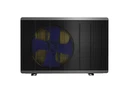
Mexico has historically relied on fossil fuels for energy production, leading to significant greenhouse gas emissions. However, there is a growing recognition of the need to diversify the energy mix and incorporate more renewable sources. The Mexican government has committed to increasing the share of renewable energy in its national energy system, aiming for 35% by 2024. ASHPs can play a crucial role in this transition by providing efficient heating and cooling solutions that reduce reliance on fossil fuels.
In addition to supporting renewable energy integration, ASHPs can help balance energy demand. By utilizing electricity during off-peak hours, they can mitigate strain on the grid and promote more efficient energy use. This flexibility is essential as Mexico increases its renewable energy capacity, which can be intermittent.
The choice of refrigerants used in heat pumps significantly impacts their environmental footprint. Traditionally, R410A has been widely used in HVAC systems but has a high global warming potential (GWP). As Mexico looks to reduce its carbon emissions, the shift toward more environmentally friendly refrigerants is critical.
R32 is gaining traction as a more sustainable alternative. With a GWP of about one-third that of R410A, R32 is more efficient and contributes less to climate change. Additionally, R290 (propane) is an even more environmentally friendly option, with a GWP of just three. Its use in heat pumps aligns with global efforts to phase out high-GWP refrigerants and adopt natural alternatives.
The transition to R32 and R290 not only supports Mexico's commitment to reducing emissions but also enhances the overall efficiency of ASHPs. Lower GWP refrigerants improve energy efficiency, further decreasing the carbon footprint of heating and cooling systems.
Air source heat pumps are not just energy-efficient; they also offer numerous benefits that align with Mexico's sustainable development goals:
1. Reduced Carbon Footprint: By replacing conventional heating systems, ASHPs can significantly reduce carbon emissions, contributing to Mexico's climate goals.
2. Energy Efficiency: ASHPs use renewable energy from the ambient air, which can lower energy consumption and costs, making them an economically viable option for consumers.
3. Job Creation: As the demand for ASHPs grows, it can stimulate job creation in the manufacturing, installation, and maintenance sectors, contributing to economic growth.
4. Energy Independence: By reducing reliance on imported fossil fuels, Mexico can enhance its energy security and independence, fostering a more resilient economy.
---Follow Power World Heat Pump to get more industry information.